















English
- English
- 简体中文
- عربي
- Deutsch
- Русский язык
- Français
- Pilipino
- 日本語
- Español
- Ελληνικά
- Italiano

English
- English
- 简体中文
- عربي
- Deutsch
- Русский язык
- Français
- Pilipino
- 日本語
- Español
- Ελληνικά
- Italiano

Faucet material selection
2024-07-03 11:34:38
Click:
“
Faucet material selection First of all, you cannot choose a zinc faucet. General
”
Faucet material selection
First of all, you cannot choose a zinc faucet. Generally speaking, there are five main materials for faucets: copper, 304 stainless steel, zinc alloy, ceramic, and plastic.
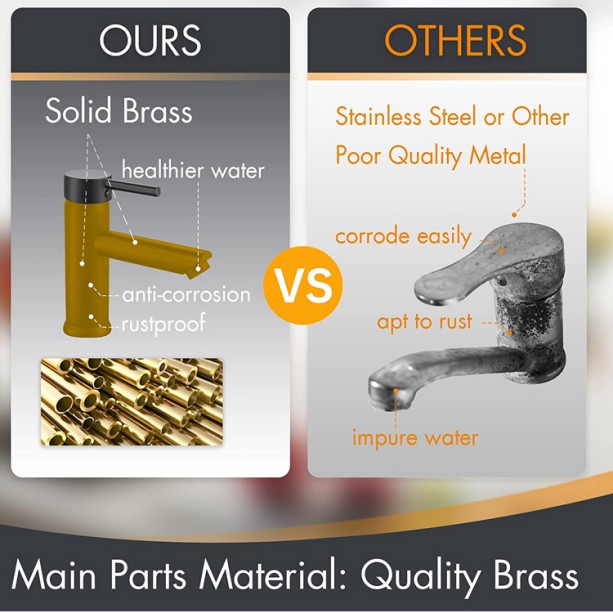
Zinc faucets are very brittle and easily break during use. They are not corrosion-resistant, as shown in the picture above.
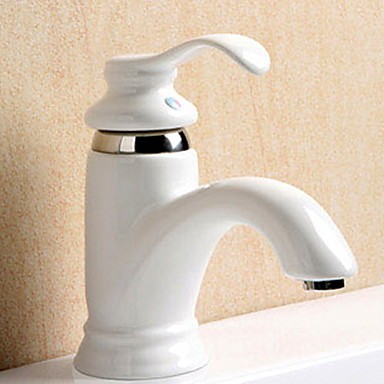
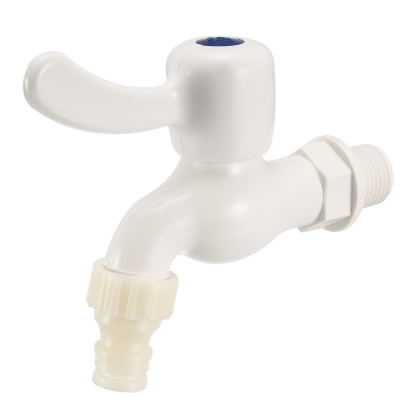
And the ceramic faucets and plastic faucets have the same problem as the zinc,they are easily break during use.Besides,the the ceramic faucets is more expensive and fragile,and the plastic faucet is easy to aging.
So we suggest to use the stainless steel and brass faucets.
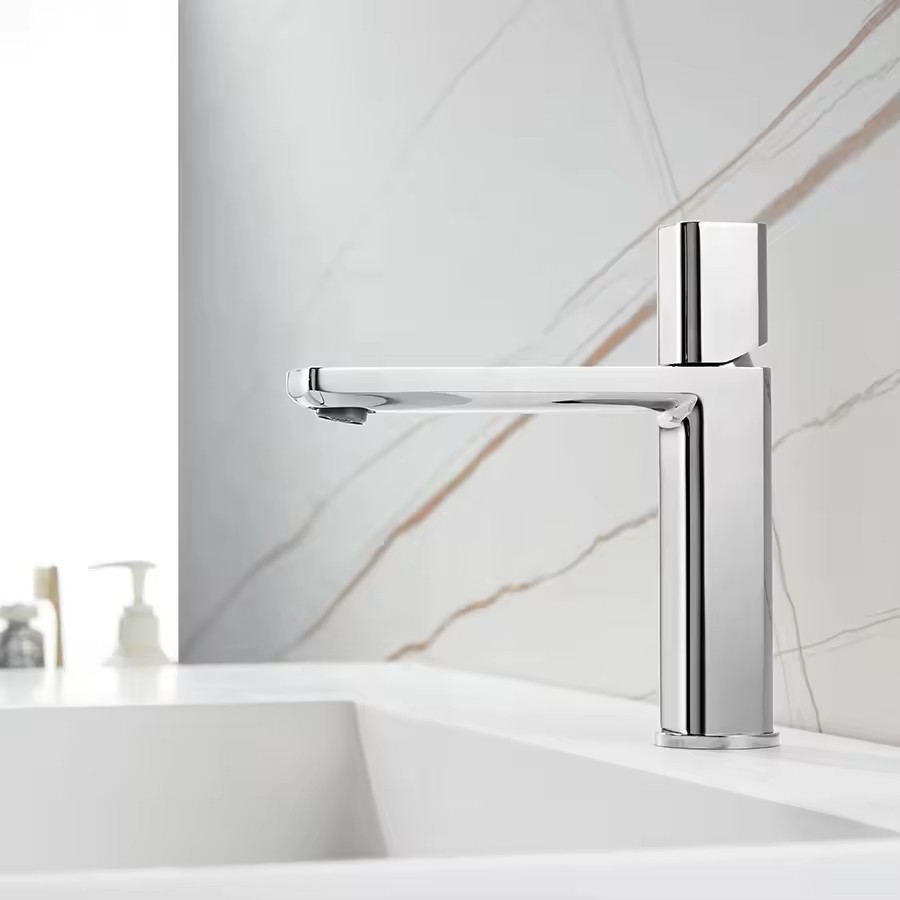
And there are three types of brass faucets as the following:HPb57-3(brass content 57%), HPb59-1(brass content 59%) and HPb62 brass(brass content 62%),and the HPb59-1 is currently commonly used internationally.For the H62,though it has better corrosion resistance, it is more expensive and the minimum order quantity is about 1000pcs so high for one model. So,in the current fierce competition, people generally prefer to choose HPb59-1 to do the faucets.
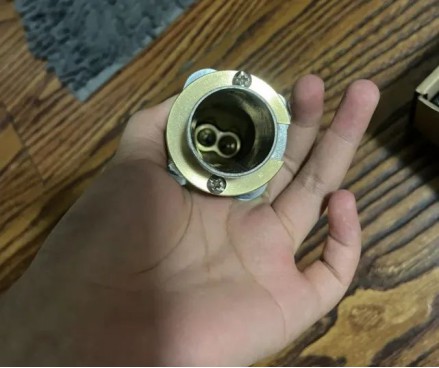
Secondly, we can judge the quality of the faucet by check its flatness. If the inner is not flat, it is cast by sand casting, which is cheaper while the quality is worse, and thinner inner are prone to breakage.
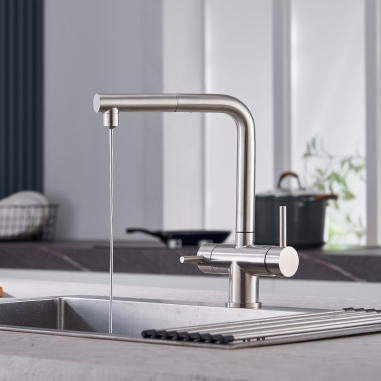
If we use 304 stainless steel to make the faucet,which is not include the Pb and healthier,corrosion-resistant.But due to it is made of stainless steel, it is can’t to make many beautiful bending shapes, so comparing with brass,there is less models is optional. Therefore, most of faucets in the world are made of brass. However, with the improvement of people's living standards, some brands also use 316 stainless steel materials that can reach food grade to make faucets. Although the cost is expensive, it is very environmentally friendly and harder than brass
Author:
opaly










CONTACT US
Tel:020-85822356
Office Address:RM 412, NO. 419 Shibei Industrial RD, Dashi ST, Panyu DIST, Guangzhou, China
Main Production Base:Road NO.3,Dawan Industrial Transfer Park,Yunan,Yunfu, Guangdong China






Copyright © 2024 Opaly Building Materials(Gz) Co. Ltd Copyright
 Inquiry Now