















English
- English
- 简体中文
- عربي
- Deutsch
- Русский язык
- Français
- Pilipino
- 日本語
- Español
- Ελληνικά
- Italiano

English
- English
- 简体中文
- عربي
- Deutsch
- Русский язык
- Français
- Pilipino
- 日本語
- Español
- Ελληνικά
- Italiano
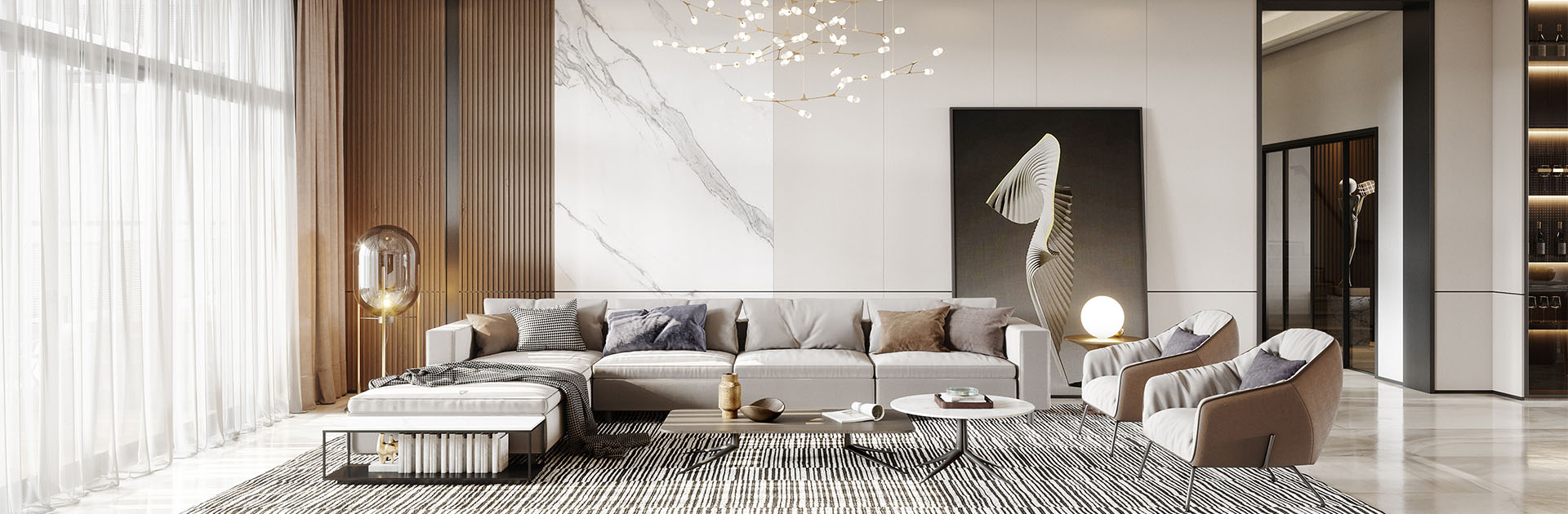
Diversified development of artificial quartz stone
2024-11-08 16:26:06
Click:
“
With the rapid development of the construction industry, the global people's req
”
With the rapid development of the construction industry, the global people's requirements and choices for stone are more diversified, whether it is natural marble, granite, rock plate, granite, ceramics on the market, or artificial stone quartz stone, acrylic solid surface and other artificial stone products are constantly developing new design products to meet market demand; Quartz stone bears the brunt, and constantly updates and optimizes the new style of the product, and the new products of quartz lithographic board and zero silicon are loved by customers. Next, I mainly explain the printing quartz slabs and zero silicon in quartz stone.
Printing quartz slabs: Printing quartz slabs is a new type of product that selects different natural stone HD heat transfer ink on the quartz stone surface, Printing quartz slabs is mainly divided into two categories, the first Printing quartz slabs is only the effect of heat transfer on the pure white surface of quartz stone, and the other Printing quartz slabs is to do a good job of the full body and then heat transfer on the quartz stone surface. The main difference is that the full-body printing effect cuts out more natural and more beautiful.
Advantages: All design patterns can be printed, product diversity, rich slab surface effect more natural and lifelike.
Disadvantages: Low daily production, higher processing requirements.
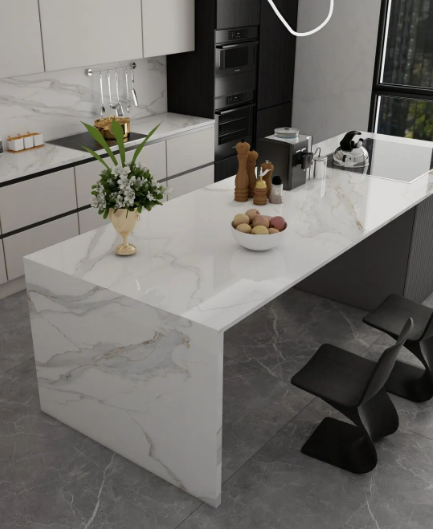
Zero-silicon products: According to the Australian government's ban on quartz stone, in order to meet the needs of the Australian market, zero-silicon sheet was invented, the main components of quartz sand and quartz powder replaced by glass sand and glass powder, the production process is much the same, is a healthy and environmentally friendly new stone. At present, the Australian market has accepted this new product, which is one of the main building materials in the future.
Advantages: The material is more environmentally friendly and healthy, and the surface of the zero-silicon sheet is higher in luminosity and strong in light transmission.
Disadvantages: The edge of the plate is easy to break, and the surface polishing of the plate requires higher requirements.










CONTACT US
Tel:020-85822356
Office Address:RM 412, NO. 419 Shibei Industrial RD, Dashi ST, Panyu DIST, Guangzhou, China
Main Production Base:Road NO.3,Dawan Industrial Transfer Park,Yunan,Yunfu, Guangdong China






Copyright © 2024 Opaly Building Materials(Gz) Co. Ltd Copyright
 Inquiry Now